
The Science Behind the Costello Method™
Why the brain follows the body and what happens when that sequence breaks down.

The Brain Doesn’t Lead. It Listens.
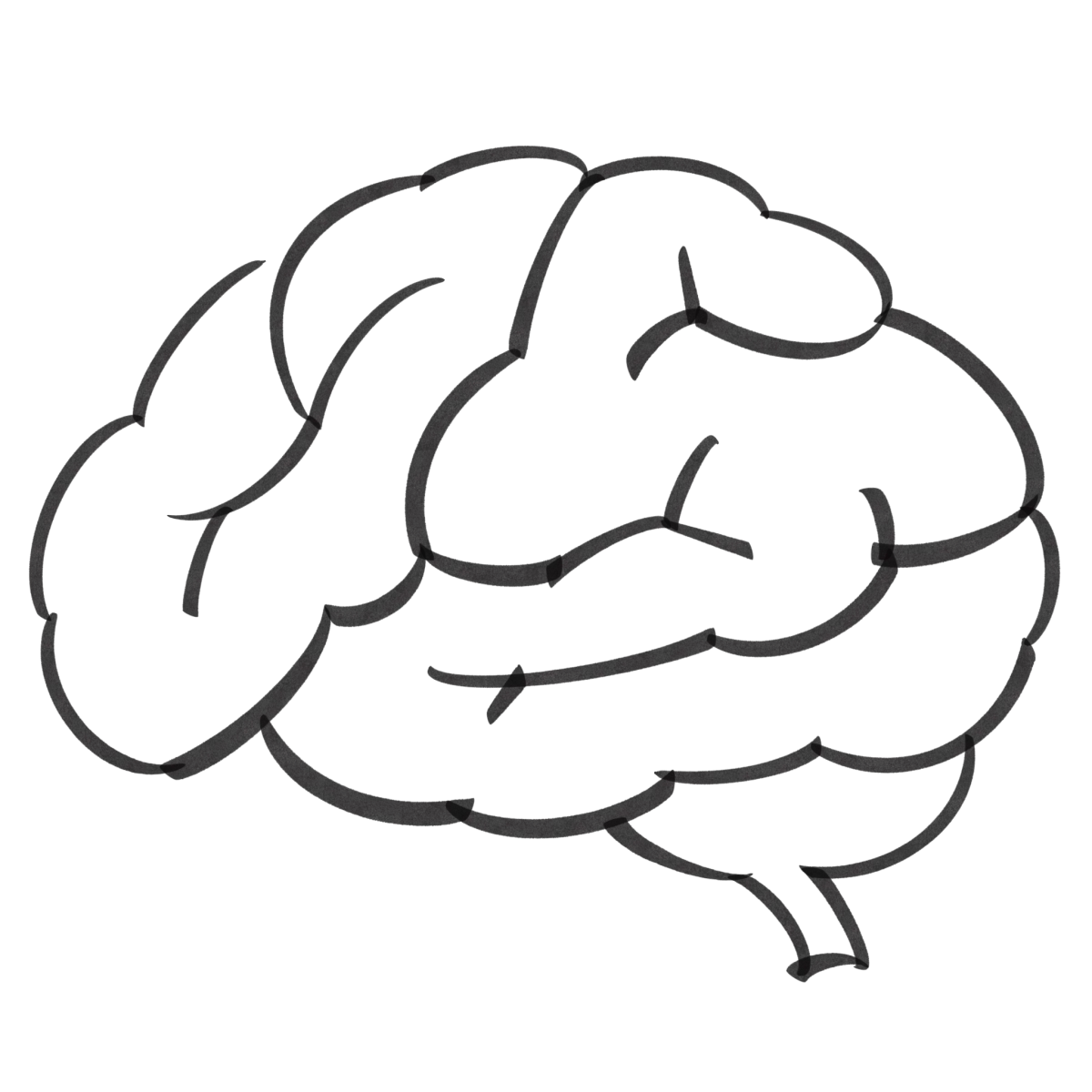
Your brain doesn’t sense the world directly. It’s sealed in darkness, relying entirely on the signals your body sends, through breath, posture, movement, rhythm, and internal pressure. Every decision it makes is based on that input.
When your body signals threat, your brain doesn't pause to analyze. It reacts, adapts, and prepares to protect. This is the foundation of the body-first model: the brain is always responding to the story the body is telling.
Most approaches start at the top, with thought and insight. But the brain is downstream. When we change the signals from the body, we give the brain new data. And the output changes automatically.
Regulation Isn’t Taught. It’s Wired.
The nervous system doesn't learn safety through logic. It learns through repetition, through rhythm, movement, and sequenced physical input. This begins early, with rolling, crawling, bilateral movement, breath, and physical connection.
When that sequence is interrupted, by stress, developmental gaps, or sustained demand — the system adapts. It builds toward survival. Not toward safety.
Adults carrying unresolved nervous system load often default to:
— Shallow breathing
— Muscle tension and postural guarding
— Hypervigilance and scan behavior
— Freeze or collapse under pressure
— Emotional volatility without a clear trigger
These are not personality characteristics. They are the outputs of a system that learned protection before it learned safety.
“You can’t reason your way to regulation. You have to move your way back into it.”
—The Brain Follows

You Can’t Think Your Into Way Calm
Most approaches to focus and emotional steadiness are top-down, asking the brain to reframe, redirect, and choose better responses. These strategies assume the brain is in charge.
But they only work when the nervous system is regulated enough to use them.
When the body is in fight, flight, or freeze, the thinking brain, the prefrontal cortex, goes offline.
That's not a failure. It's a protective response. That's why people who know exactly what to do still shut down, lash out, or freeze. Insight isn't the issue. Access is.
“Cognition doesn’t lead regulation. It follows it.”
—The Brain Follows

Three Categories. One Missing Layer.
There are two existing categories of support for the dysregulated nervous system.
Category 1
Mindset and Coaching
Thought, habit, and strategy. These tools require access to function.
When the nervous system is in protection, they cannot reach the architecture that needs to change.
Category 2
Clinical and Medication
Addresses the output of a dysregulated system, not the source.
Symptom management without foundational recalibration leaves the underlying architecture unchanged.
The Third Category of Support™
The Costello Method™
The foundational prerequisite. Stabilizes the neuromotor architecture so that Category 1 and Category 2 tools can actually land, stick, and produce lasting output. Not an alternative to other approaches. The layer that makes them work.
The Signal Trajectory™
All Costello Method work operates within one causal sequence. Never reversed. Never skipped.
RECEIVE
Tune how environmental demand and sensory input enter the nervous system. When the Biological Landing Pad™ is clear, signals move through without triggering protection.
PROCESS
Calibrate the subcortical pathways, cerebellar timing and primitive reflex integration. This is where the body's internal organization lives and where dysregulation originates.
RESPONSE
By addressing the upstream architecture, focus, emotional steadiness, and behavior transform automatically. Not because they were trained. Because the system can now access them.
What NeuroMotor Calibration™ Rebuilds
Primitive Reflex Integration
Unresolved reflexes keep the nervous system in a constant state of bracing. By integrating these reflexes, the body can stop reacting and begin reorganizing.
Developmental Rhythm + Breath
Rhythm resets the brainstem. Breath restores vagal tone. Together, they help the nervous system shift toward safety, automatically, without conscious effort.
Proprioceptive + Vestibular Input
When the brain knows where the body is in space, it stops scanning for threat. These inputs rebuild the body’s internal map, stabilizing attention, posture, and emotional response.
Cross-Lateral + Sequenced Movement
Coordinated, cross-body movement strengthens communication between brain hemispheres, supporting flexible thinking, emotional steadiness, and self-regulation.

The Data Behind the Method
The Costello Neuromotor Baseline™ (CNMB) is a seven-domain clinical assessment measuring neuromotor function across reflex reactivity, bilateral coordination, vestibular integration, and oculomotor function. 726 assessments. 292 clients. The outcomes are consistent.
44.1% Average improvement across all domains
66.1% Clients achieving greater than 25% measurable improvement
71.5% Improvement in bilateral coordination, highest domain gain
57.9% Improvement in movement dynamics
Condition breakdown: ASD (62.1%), ADHD (27.4%), Anxiety (9.5%), PTSD (1.0%). Age range 3–80. Pediatric (86.1%), Adult (13.9%).
“The body leads. The brain follows. And when we listen at that level, regulation becomes possible.”
—Dr. Jim Costello
2026 | C7, Inc. All Rights Reserved.
Dr. Jim Costello™ | The Costello Method™
are properties of C7, Inc.